Video marketing isn't optional anymore. It's how agents connect with clients, showcase properties, and build trust before the first conversation happens.
But you don't need expensive equipment or professional editing skills. You need a smartphone, a few simple strategies, and the willingness to show up on camera.
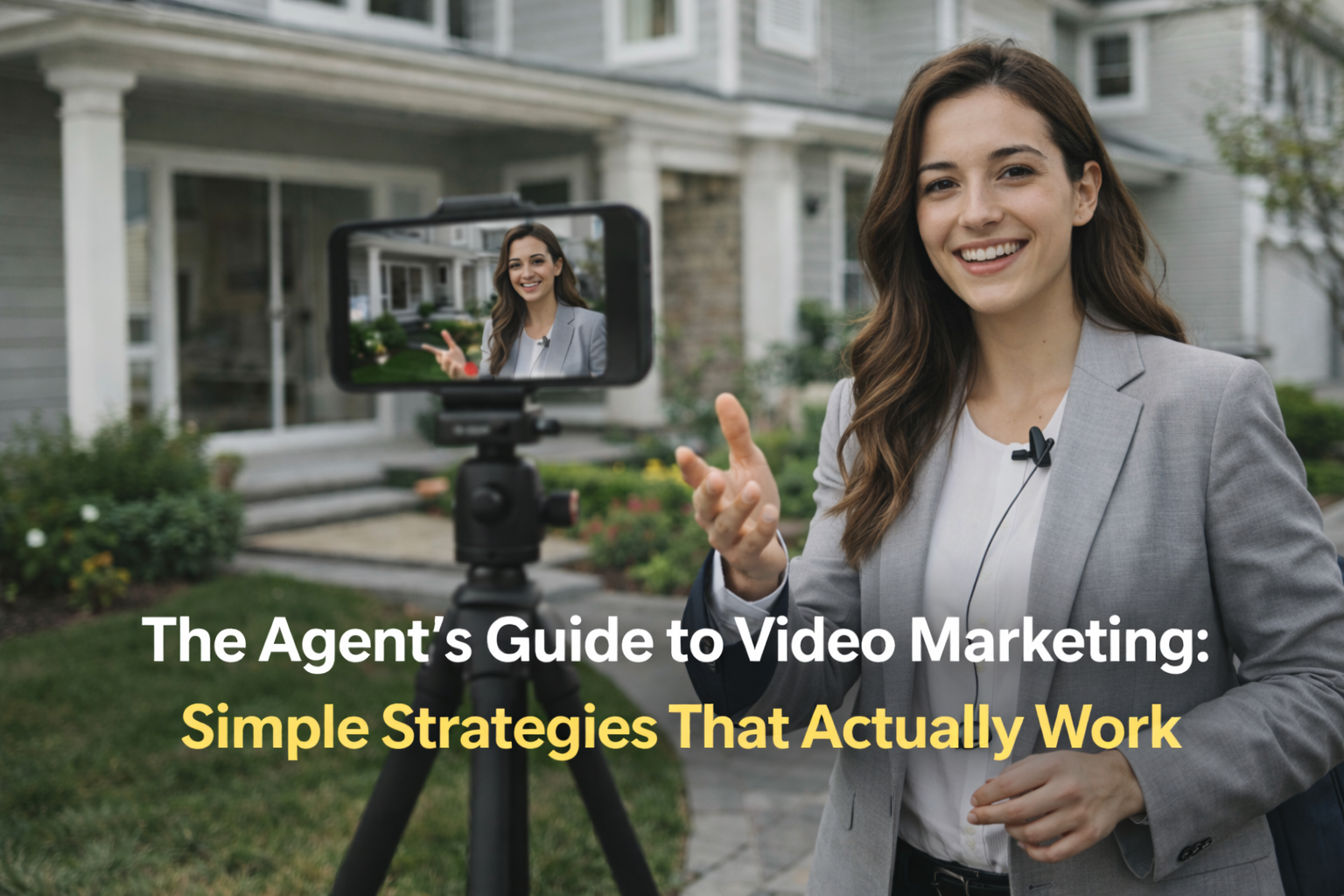
Why video works
People trust what they can see. Video lets potential clients get to know you before they contact you. They hear your voice, see your personality, and decide whether you're someone they want to work with.
Video also performs well on social media. Platforms prioritize video content because it keeps people engaged longer. Your videos will reach more people than text posts or static images.
And video is versatile. You can use the same video on multiple platforms, embed it on your website, send it in emails, and share it with potential clients.
Types of videos agents should create
Property tours are the most obvious video content for real estate agents. Walk through listings, highlight key features, and give viewers a real feel for the space.
Don't just narrate what people can see. Tell the story of the home. Point out thoughtful design choices, imagine how spaces could be used, and highlight neighborhood benefits.
Market updates position you as the local expert. Share recent sales, price trends, inventory levels, and what it all means for buyers and sellers.
Keep these short. Two to three minutes is plenty. People want insights, not lengthy lectures.
Neighborhood tours showcase your local knowledge. Drive or walk through neighborhoods, point out parks, schools, shops, and community features.
These videos are especially valuable for buyers relocating from other areas. They want to understand neighborhoods beyond property listings.
Educational content answers common questions. Create videos explaining the buying process, what to expect during inspections, how to prepare your home for sale, or tips for first-time buyers.
These videos provide value even when people aren't ready to hire you yet. They build trust and keep you top of mind.
Client testimonials on video are more powerful than written reviews. Ask happy clients if they'd be willing to record a short video sharing their experience.
Keep it simple. Have them answer a few questions: Why did they choose you? What stood out about working with you? Would they recommend you to others?
Behind-the-scenes content humanizes you. Show what your day looks like, introduce your team, share challenges you're helping clients overcome, or explain what you're working on.
This content builds connection. People want to work with real humans, not polished professionals who seem unapproachable.
Quick tips and tricks perform well on social media. These might be 30-second videos sharing one useful piece of information. How to stage a bedroom. What buyers should look for during showings. Common mistakes sellers make.
Short-form content is perfect for Instagram Reels, TikTok, and Facebook Reels. It's easy to create and highly shareable.
Equipment you actually need
Your smartphone camera is good enough for most real estate videos. Modern phones shoot high-quality video that looks professional when used correctly.
Natural light is your best friend. Film near windows or outside when possible. Avoid harsh overhead lighting that creates shadows.
A simple tripod or phone holder steadies your shots. Shaky handheld video looks unprofessional. A basic tripod costs less than 30 dollars and makes a huge difference.
A wireless microphone improves audio quality. Phone microphones work okay, but a small external microphone ensures people can hear you clearly, especially in noisy environments or outdoors.
Filming tips
Plan your content before you hit record. Know what you're going to say and in what order. You don't need a script, but you need an outline.
Shoot horizontal for most videos. Horizontal video works on YouTube, websites, and can be cropped for vertical platforms. Vertical video only works on mobile-first platforms.
Frame yourself properly. Position the camera at eye level, leave a little space above your head, and center yourself in the frame unless you're intentionally showing something beside you.
Speak clearly and naturally. Pretend you're talking to a friend. Don't try to sound like a TV personality. Be yourself.
Keep videos short. Attention spans are limited. Get to the point quickly and end when you've said what you need to say.
Batch create content. Film multiple videos in one session. Change your shirt between videos if you want them to look like different days.
Editing basics
You don't need fancy editing software. Free apps like CapCut, iMovie, or even Instagram and TikTok built-in editors work fine.
Trim the beginning and end of your videos. Nobody needs to see you walking up to the camera or fumbling to turn it off.
Add captions. Many people watch videos without sound. Captions make your content accessible and increase watch time.
Include your name and contact information at the end of longer videos. Make it easy for interested viewers to reach you.
Keep editing simple. Cuts, basic transitions, and text overlays are usually enough. Overediting makes videos feel less authentic.
Where to post your videos
YouTube is essential for longer content like property tours and neighborhood guides. It's also the second-largest search engine, so optimize your titles and descriptions with keywords.
Facebook works well for reaching local audiences. Post videos directly to Facebook rather than linking to YouTube. Native videos get more engagement.
Instagram is great for shorter content. Use Instagram Reels for quick tips and Stories for behind-the-scenes content. Regular feed posts work for property highlights.
TikTok is powerful for reaching younger buyers. The algorithm can show your content to thousands of people even if you have a small following.
Your website should include video content. Embed property tours, client testimonials, and educational videos where relevant.
Email marketing can include video. Link to videos or embed them directly in your newsletters.
Getting comfortable on camera
Most agents hate being on camera at first. You'll criticize your voice, your appearance, and every little imperfection. That's normal.
The solution is simple: practice. The more videos you create, the more comfortable you'll become. Your first ten videos will feel awkward. Your next fifty will feel easier.
Remember that people aren't looking for perfection. They're looking for authenticity and helpfulness. Small stumbles and natural conversation patterns make you more relatable, not less.
Stop waiting until you feel ready. You'll never feel completely ready. Start creating content and improve as you go.
Tracking success
Watch your video analytics. How many people are watching? How long are they watching? Which videos perform best?
This data tells you what content resonates with your audience. Create more of what works and less of what doesn't.
Also track leads generated from video. When someone contacts you, ask how they found you. If video is bringing in business, that's your signal to keep creating.
How Sweetwater can help
We can provide market data and statistics you can use in your video content. We can also collaborate on co-branded videos that serve both our audiences.
When you close transactions, we can help you capture video testimonials from happy clients. These testimonials strengthen both your brand and ours.
Want to add video to your marketing strategy? Sweetwater Title Co. is here to support you with resources and collaboration. Let's talk about creating content that grows your business.